How do you care for a horse in the winter when the temperature drops to –20°C?

When the temperature drops to minus twenty degrees, your usual skincare routine is no longer enough.Wind, cold, and limited movement cause a horse's body to work at full capacity to stay warm.Most owners focus on tacking up their horses, while the basics—access to hay and water—are often neglected.And it is these factors that determine whether a horse will survive an extreme winter without health problems.
Extreme temperatures require a completely different approach.Minor oversights can quickly lead to serious problems—from colic to respiratory infections.But there's also a bright side.Winter, when it's bitterly cold, is the best time to tackle the two most persistent hoof problems: laminitis and rotting frogs.Frost can get rid of them more effectively than most products.
Hay and water—the foundation of survival in extreme cold
A horse stays warm mainly through the activity of its digestive system.The fermentation of fiber in the large intestine generates enormous amounts of heat—it’s like a natural furnace that runs nonstop.The problem is that this furnace needs fuel.A lot of fuel.In winter, interruptions in access to hay cannot be prolonged, because body temperature begins to drop and the body goes into energy-saving mode.A horse that is fed hay only in the morning and evening, with eight-hour intervals in between, at minus eighteen degrees simply has no chance of maintaining a proper body temperature.
A Common Mistake?Saving on hay in the winter because the horse "works less." Meanwhile, it needs much more hay in the winter than in the summer—not for exertion, but for warmth.Continuous access—or access with only very brief interruptions—is the norm, not a luxury.Otherwise, you'll end up paying many times more for treatment of colic, infections, or metabolic problems.
Water in the winter is a separate problem.Ice-cold water bowls are the quickest way to cause dehydration, constipation, and colic.A horse that is reluctant to drink very cold water simply reduces its fluid intake.Water bowl heaters are one of the best investments for winter—they pay for themselves the first time they help you avoid a trip to the vet.If installation is not possible, the water must be changed at least three to four times a day.It doesn't have to be warm, but a few degrees above zero makes a huge difference.
Docking – When It's Necessary, and When It's Harmful?
Not every horse needs a blanket, even in extreme cold.A healthy horse with a good coat often does better without it.Natural fur can "stand on end," creating an insulating layer of air—this blanket blocks that mechanism.In addition, a horse in heat stops growing a thick winter coat because its body receives the signal that "it's warm." The result?Rug Addiction.If, for some reason, it has to be removed, the horse is defenseless.
When a blanket Is Really Needed?Shaved horses—without their natural insulation—simply freeze.Horses that work regularly and sweat—a wet coat is a surefire way to get chilled.Older horses—their ability to regulate body temperature declines with age, and after the age of 15, they often need assistance.And horses without shelter from the wind—the wind at minus twenty is deadly.If a horse is standing in an open paddock without any shelter, a blanket is a must.
However, a poorly fitting blanket is still better than no blanket at all.Rub marks on the withers, rubbing of the mane, and restricted movement—these are common consequences of a poor fit.And the second risk: overheating.A horse in a blanket that's too warm will sweat, and wet skin loses heat twenty times faster than dry skin.A simple check: touch the horse under its blanket.Wet fur?The blanket is too warm.
How to Prevent Chafing from Bridles and What to Do If It Happens?
Ridge sores are one of the most common skin problems in horses that wear tack on a daily basis.Although rugs are designed to protect against the cold, prolonged use of them can lead to skin irritation.The problem isn't always due to a poor fit—even a well-fitting blanket exerts constant pressure on the horse's body while the horse is moving, and repeated friction can gradually damage the skin.
The risk of chafing increases especially when moisture, sweat, or fine dirt accumulates under the blanket.Stiffer materials, new blankets, or wearing a blanket continuously for many hours can also contribute to the development of micro-injuries.A horse's skin, especially in areas where the coat is thinner, is very sensitive to these types of factors.
Chafing most often occurs around the withers, shoulder blades, chest, and base of the neck.At first, the only noticeable sign is matted fur, which is often dismissed as a minor cosmetic issue.In fact, this is the first warning sign.If we don't take action early enough, the skin may become red and hypersensitive, and over time, painful chafing may develop.
These changes affect not only the condition of the skin but also the horse's comfort.The animal may become more sensitive to touch in these areas, be reluctant to have a harness put on, or show signs of discomfort in its daily activities.In addition, damaged skin is more susceptible to infection and takes longer to heal.
That is why it is so important to provide the skin with proper care, both when chafing has already occurred and as a preventive measure.In practice, this means keeping the skin clean, regularly checking areas prone to friction, and using products that promote regeneration.
In such situations, the Plasterek product may be helpful; it was developed specifically for skin prone to irritation and chafing.Regular use of this product promotes skin regeneration, soothes irritated areas, and creates a protective layer that reduces further friction.It can be used both after chafing has occurred and as a preventive measure in areas particularly prone to pressure from the harness.
It’s worth remembering that a quick response and consistent skin care significantly reduce the risk of the problem getting worse.With proper preventive care, a horse can comfortably wear a halter without any negative effects on its skin.
How to protect your mane from being rubbed by a hood?
A hood effectively protects a horse from the cold and wind, but unfortunately, this often takes a toll on the condition of its mane.The fabric rubs against the hair with every head movement, which after a few weeks can lead to thinning, hair breakage, and even bald spots on the back of the neck.The simplest and safest solution is to regularly use a specialized mane conditioner before putting on the hood.When sprayed and worked through the hair, the conditioner forms a protective layer, reduces friction, and makes it easier for the fabric to glide through the hair, preventing breakage and snagging.Another great trick is to spray conditioner on the problematic areas of the blanket, which will make it slippery.
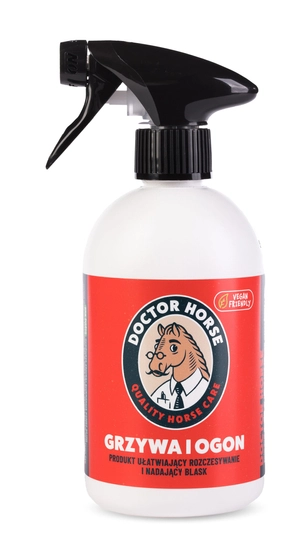
Instead of reaching for random products, it’s worth using one designed specifically for horse coat care, such as “Mane and Tail” – a detangling conditioner that adds shine, 500 ml.This product not only reduces hair breakage but also makes it easier to comb later and improves the appearance of the mane throughout the winter season.For those who enjoy a dramatic look at competitions or shows, there is also a version with added glitter available at and, which gives the hair a subtle sheen.Just a light application every few days—without weighing down the hair—is all it takes to keep your hair healthy all winter long and ready for spring without having to start from scratch.
Use the frost to combat clumps and rotting arrows
A harsh winter with temperatures below minus ten is a natural ally in the fight against the two most persistent hoof problems.Clumps and rotting arrowheads—problems you struggle with for months in the summer may simply disappear in the winter.Why?Anaerobic bacteria thrive in moist, warm conditions but die in the cold.It's a natural, chemical-free disinfectant.
Mud in the spring and fall is often a never-ending battle — moisture, mud, and the inability to thoroughly dry your feet create the perfect environment for pathogens to thrive.The skin on the pasterns is then constantly exposed to irritation and micro-injuries, which means the problem easily recurs and is difficult to get rid of.
That is why it is worth taking advantage of the moment when conditions become more favorable.A cold winter and dry soil are the best time to effectively get rid of clumps and let your skin regenerate.
Regular use of a product that supports the treatment of gruda, such as GrudBye, which help:
✔️ support skin regeneration
✔️ limit the growth of undesirable microorganisms
✔️ protect the skin from moisture and irritation
✔️ restore the horse's comfort
The sooner you take action and the more consistent you are, the greater the chance that the problem won’t return next muddy season.
The Rotten Arrow works on the same principle.Bacteria and fungi thrive in warm, moist environments.In the fall, rot in wet leaf litter is a plague.With proper care in the winter, the problem goes away.Dry, frosty air inhibits bacterial growth, giving the hooves a chance to regenerate.Of course, you still need to clean the hooves every day, check the condition of the frog, and use antiseptic products— Doctor Horse Blue Hooves work effectively even in freezing temperatures.But the cold does half the work for you.In the summer, you battle nature; in the winter, nature helps you.
Key rule: maximum dryness.Wet bedding, a closed stall with no ventilation, moisture in the hoof—these factors undermine the effect of the cold.Dry bedding changed daily, good ventilation, time spent in a dry, frozen paddock—and the problems begin to subside.Make the most of this time, because in the spring, when everything gets damp again, the problems will return.
Winter at minus twenty is a challenge, but with the right approach, the horse will get through it without any problems.The basics—constant access to hay, warm water, and appropriate use of blankets—are the foundation.And the cold months are a bonus: a chance to get rid of the problems you’ve been struggling with all year without any results.Doctor Horse products support winter care—from regenerating clays to hoof care products that work effectively even in extreme conditions.
Recommended
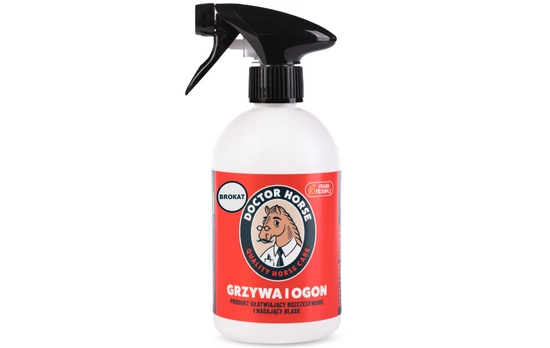
Mane and Tail with Glitter - Easy Brushing and Shine Conditioner with Glitter 500ml
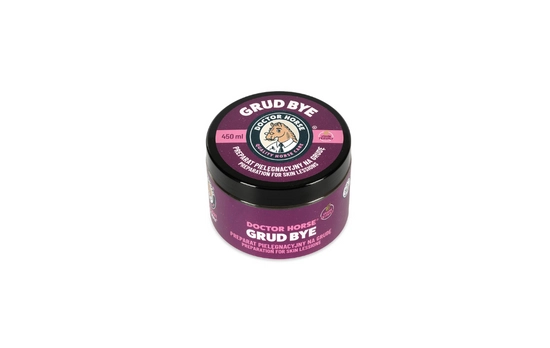
GrudBye - Mud fever care ointment 450g
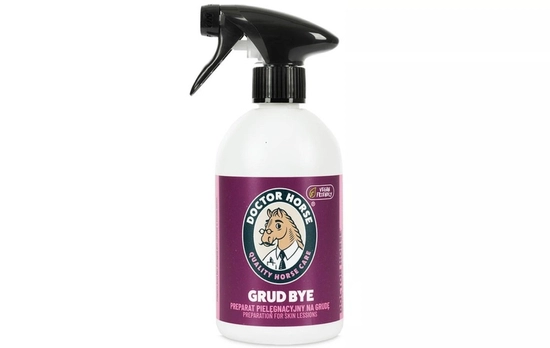
GrudBye - Mud fever care Spray 500ml

Blue Hooves - Ointment for thrush 450g
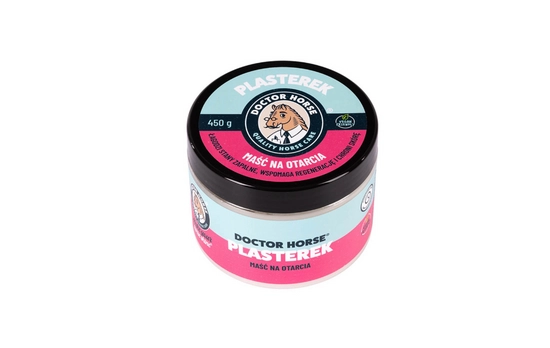
Plaster - ointment for abrasions 450g